
Protecting you from fraud starts here.
We help you stay ahead of scams.
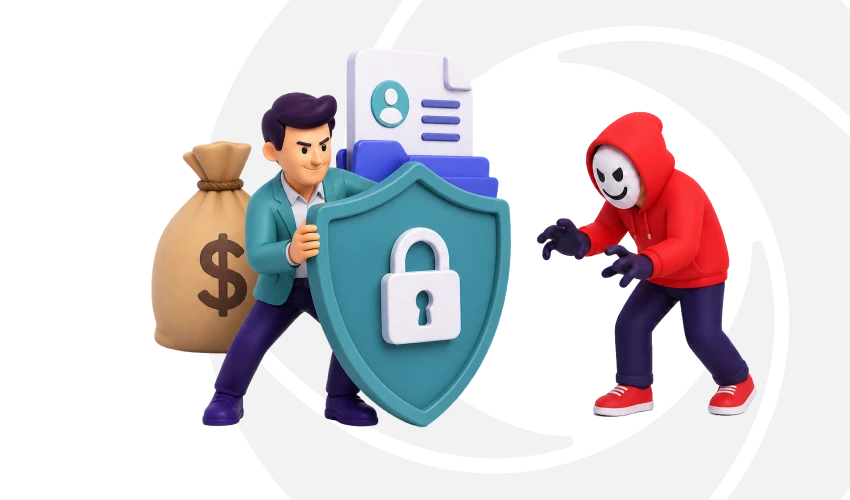
Pausing is power.
Scammers often pretend to be people or organizations you trust. They may say there’s a problem with your account, a missed payment, or another urgent situation that needs immediate action.
They rely on you acting before you have time to think things through. But that should never be the case.
If someone asks you to act fast, don’t. Pause before you send money or share information. Then verify the request using a trusted source.
Protect yourself. Never send money without verifying.
At Tech CU, we’re continuously working to help keep our members safe from fraud. From strengthening security measures to sharing timely information, our goal is to help you stay protected.
Monthly Fraud Focus
Phone Number Spoofing
Members have recently reported receiving calls from scammers pretending to be from Tech CU's Fraud or customer service teams in an attempt to obtain personal information.
More Information
Debit and Credit Card Fraud Protection
Debit and credit card fraud is on the rise in the U.S. and abroad, and we are committed to protecting your Tech CU Visa® Debit and Credit Cards.
Learn more about fraud protectionTech CU’s Real-Time Fraud Alert System
Our debit and credit card fraud protection program comes with an extra layer of security.
Learn more about our real-time alert systemCard Security When Traveling
Take a moment before you leave to reach out to us so we can put a note on your account and monitor for suspicious activity.
Learn more about travel securityMore information about Phone Number Spoofing
Members have recently reported receiving calls from scammers pretending to be from Tech CU’s Fraud or customer service teams in an attempt to obtain personal information.
Learn more about phone number spoofingIdentity Theft
ID theft happens when someone steals your personal information to commit fraud. The identity thief may use your information to apply for credit, file taxes, or get medical services.
Learn more about identity theftEFT (Electronic Funds Transfer) Fraud
An electronic funds transfer (EFT) is a broad term for a payer sending money and a payee receiving money through an online payment system.
Learn more about EFT fraudWire Transfer Fraud
A wire transfer is an electronic way of sending funds from one bank to another and there are ways to minimize the likelihood of fraud.
Learn more about wire transfer fraudPreventing Digital Wallet Fraud
Fraudsters create fake digital wallet apps or websites resembling legitimate ones where users might unknowingly download these or provide payment data directly
Learn more about preventing digital wallet fraudAvoiding Gift Card Scams
Gift card scammers start with a call, text, email, or social media message. Scammers will say almost anything to get you to buy gift cards and hand over the card number and PIN codes.
Learn more about avoiding gift card scamsEmployment Scams
Scammers advertise jobs the same way honest employers do — online (in ads, on job sites, and social media), in newspapers, and sometimes on TV and radio.
Learn more about employment scamsCard Manager: Fraud Prevention and Spending Controls
Card Manager is a service available to all members to help protect your debit and credit accounts from potential fraudulent activity. Card Manager can alert you to suspected fraud activity.
Learn more about how to use Card Manager to prevent Fraud.Avoiding Charity Fraud Scams
Be on the lookout for fraudulent organizations that do little or no charity work, often in these circumstances the donations go to the fake charity's creator. Criminals will often use tragedies to exploit you and others who want to help. Before donating, confirm that the charity is registered with the Attorney General’s Registry of Charities and Fundraisers.
Confirm Charity is RegisteredOnline Shopping Scams
Online shopping scams involve scammers pretending to be legitimate online sellers, either with a fake website or a fake ad on a genuine retailer site.
Learn more about online shopping scams.Lost Debit Card Scams
A "lost debit card scam" is when someone approaches you in public and tries to convince you to give them your debit card and PIN number. In return, they will give you proceeds from the scam.
Learn more about debit card scams.Tech CU, Utilities, IRS and Impersonation Scam Calls
A “scam" is when someone calls you and pretends to be from your financial institution or utility company and tries to convince you to give them your debit card and PIN number.
Learn more about scam callsZelle Scams
Zelle scams often involve urgent requests for money via fake sellers, imposters posing as bank staff, or false overpayments, as seen in scams on Facebook Marketplace. Because Zelle transfers are immediate, these scams often result in irreversible losses.
Learn more about Zelle ScamsOne Time Password (OTP) Scam
Email One-Time Password (OTP) fraud involves scammers using phishing and social engineering tactics to trick individuals into revealing their temporary security codes, allowing the scammers to gain unauthorized access to online accounts, steal money, or commit identity theft.
Learn more about OTP scamsCommon FBI Frauds and Scams
There are many common frauds and scams that the FBI encounter regularly. They have tips to help you stay safe and what to do if you're a victim.
Learn more about frauds that FBI encounterBBB ScamTracker
Search the ScamTracker database using one of many options available under the "Look up Scam By" section.
Learn more about scams the BBB has indexedFTC Scams and Consumer Advice
Learn about the latest scams, and get advice to help you avoid, report, and recover from them. Recognizing these common signs of a scam could help you avoid falling for one.
Learn more about FTC Scams and Consumer Advice
